
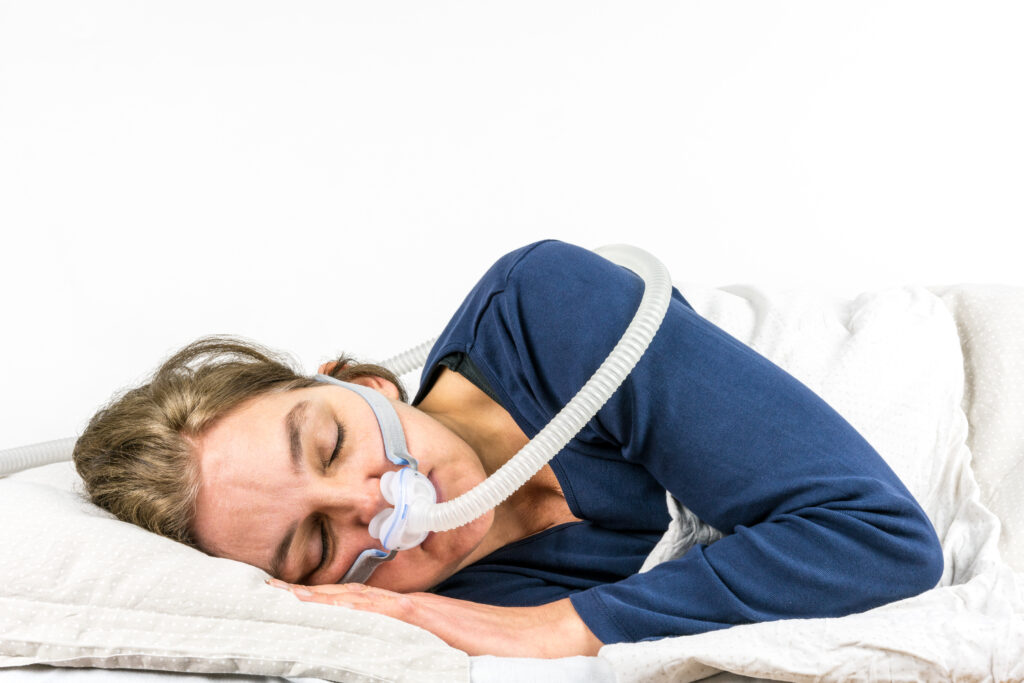
If you struggle to breathe freely at night, wake up repeatedly, or feel exhausted despite a full night’s sleep, airway expansion may offer relief where traditional treatments have fallen short. Yes, airway expansion can help many adults with sleep apnea reduce or eliminate their dependence on a CPAP machine by addressing the underlying structural issues that cause breathing difficulties.
At Floss & Co., we help patients explore alternatives to CPAP therapy through advanced airway expansion techniques. Our team looks at how sleep apnea affects quality of life and works to find approaches suited to each patient’s airway structure. Our orthodontic services in the Chicago area include airway-focused evaluations for adults who want to understand their options beyond a CPAP mask.
How Airway Expansion Addresses Sleep Apnea
Sleep apnea occurs when your airway becomes blocked during sleep, causing breathing to stop and start repeatedly throughout the night. Sleep apnea affects over 22 million Americans, yet many struggle with traditional treatment options. While CPAP machines work by forcing air through this obstruction, airway expansion takes a different approach by widening the space where breathing occurs.
The Structural Solution
The treatment works by gradually expanding the upper jaw and nasal passages, creating more room for air to flow naturally. This structural change can reduce the tissue collapse associated with sleep apnea in some patients. Many adults find this approach addresses not just symptoms, but the underlying anatomical restrictions contributing to their breathing problems.
For adults whose sleep apnea stems from a narrow palate or restricted airway, expansion can create lasting changes to the shape of the airway. Unlike a CPAP machine, which must be worn every night indefinitely to be effective, the structural changes from airway expansion generally remain in place after treatment concludes.
Why CPAP Adherence Is a Common Concern
CPAP therapy is effective when used consistently, but consistent use is where many adults struggle. Research reviewing CPAP adherence across dozens of published studies has found non-adherence rates that vary widely depending on how adherence is defined and the severity of the sleep apnea being treated, with reported rates for milder cases running notably higher than for severe cases. This gap between prescribed use and actual nightly use is a major reason adults search for CPAP alternatives, including oral appliance therapy and airway expansion, and why an American Association of Orthodontists white paper on sleep-disordered breathing has called for closer collaboration between dentists and sleep medicine providers.
How Airway Expansion Compares to Other CPAP Alternatives
Airway expansion is one of several non-CPAP options available to adults with sleep apnea, and understanding how it differs from other approaches can help you evaluate what may work for your situation. Mandibular advancement devices, for example, reposition the lower jaw forward during sleep to keep the airway open, and a systematic review of mandibular advancement device studies found these devices can reduce snoring and mild-to-moderate obstructive sleep apnea, though some patients experience bite changes with long-term use.
Airway expansion takes a different route by targeting the underlying width of the palate and nasal passages rather than repositioning the jaw nightly. Because the goal is a structural change to the airway itself, expansion is often considered for adults whose sleep apnea is linked to a narrow upper jaw rather than jaw position alone. A treatment plan may combine approaches, and your provider can help determine which option, or combination of options, fits your anatomy and lifestyle.
Benefits Beyond Better Sleep
Expanding the airway does not just improve nighttime breathing. The changes can create positive effects throughout daily life that extend beyond sleep quality alone.
Patients often report improvements in several areas:
- Easier nasal breathing: More comfortable breathing during daytime activities and exercise
- Reduced snoring: Fewer disruptions for you and your sleeping partner
- Better daytime focus: Improved concentration and mood stability from more restorative sleep
- Fewer tension headaches: Less muscle strain related to nighttime breathing effort
- Potential cardiovascular benefits: Sleep apnea is linked to blood pressure and heart health, so improved breathing may support overall wellness
These benefits extend well beyond simply feeling more rested in the morning. As breathing patterns normalize, some of the broader health concerns linked to untreated sleep apnea may improve as well, though results vary by individual and by the severity of the underlying airway restriction.
The Treatment Process
Airway expansion for adults typically involves custom orthodontic appliances worn to gradually reshape the jaw and palate. The process is monitored closely, with adjustments made at regular intervals. Treatment duration varies based on the extent of expansion needed, and some patients begin noticing changes in breathing within the first several weeks.
During an initial consultation, your provider assesses airway dimensions and jaw structure using digital imaging to determine how much expansion may help and to build a treatment plan suited to your anatomy.
Is Airway Expansion Right for Your Sleep Apnea?
Not every sleep apnea case is the same, and airway expansion works best for specific types of breathing obstructions. Adults with narrow upper jaws, restricted nasal passages, or mild to moderate sleep apnea are often considered good candidates, though a full evaluation is the only way to know for certain.
Determining Your Candidacy
A thorough evaluation helps determine whether airway expansion may be appropriate for you. This includes examining jaw structure, airway dimensions, and sleep patterns to build a personalized plan. Some patients combine airway expansion with other therapies, such as oral appliances, for a more comprehensive approach to managing sleep apnea.
The key difference between this approach and CPAP is durability. CPAP provides relief only while it is worn each night, while airway expansion aims for structural changes that continue to support breathing after treatment is complete.
A Comprehensive Approach to Airway Health
Many patients also appreciate that airway expansion can address multiple concerns at once. Beyond sleep apnea, some patients see improvements in bite alignment and overall oral health alongside the airway-related benefits. The treatment takes a broader view of airway health rather than only masking symptoms with an external device.
Take the First Step Toward Better Sleep With Airway Expansion at Floss & Co.
Living with sleep apnea can affect nearly every part of your health, from your energy levels to your cardiovascular wellness. If you are frustrated with CPAP or want to understand your options before starting machine therapy, an airway expansion evaluation is worth considering. Our airway expansion for sleep apnea services and adult airway expansion program are built around comprehensive evaluations and treatment planning for adult patients.
We combine current airway-focused technology with individualized care to help you breathe better and sleep more soundly. With locations serving the Midway and Chicago community, we make it convenient to get evaluated. Ready to explore whether airway expansion can help your sleep apnea? Contact us today to schedule your consultation.
Frequently Asked Questions About Airway Expansion and Sleep Apnea
Can airway expansion completely replace my CPAP machine?
For some adults with mild to moderate sleep apnea linked to a narrow airway, airway expansion may reduce or eliminate the need for CPAP over time. Results depend on the severity of the sleep apnea and individual airway anatomy, so any decision to stop CPAP should be made with your sleep physician after reassessment.
How long does adult airway expansion treatment take?
Treatment length depends on how much expansion is needed and the appliance used. Many adults wear an expansion appliance for several months, with some noticing changes in breathing within the first few weeks and full results developing over a longer course of treatment.
Is airway expansion painful for adults?
Most adults describe mild pressure or soreness after adjustments rather than significant pain, similar to the feeling of orthodontic tightening. Adult jaw bone is denser than a child’s, so expansion is typically more gradual and closely monitored to keep the process comfortable.
Will my dental insurance cover airway expansion treatment?
Coverage varies by plan and by whether the treatment is classified as orthodontic or medically necessary for sleep apnea. Our team can help verify your benefits and discuss financing options during your consultation so you understand the costs involved before beginning treatment.
How do I know if my sleep apnea is a good fit for airway expansion rather than CPAP alone?
A combined evaluation of your airway dimensions, jaw structure, and sleep study results helps determine candidacy. Adults with a narrow upper jaw or restricted nasal passages tend to be strong candidates, while more severe or complex cases may benefit from combining expansion with other therapies.