
Medically Reviewed by Dr. Martha Silva, DDS on September 30, 2026
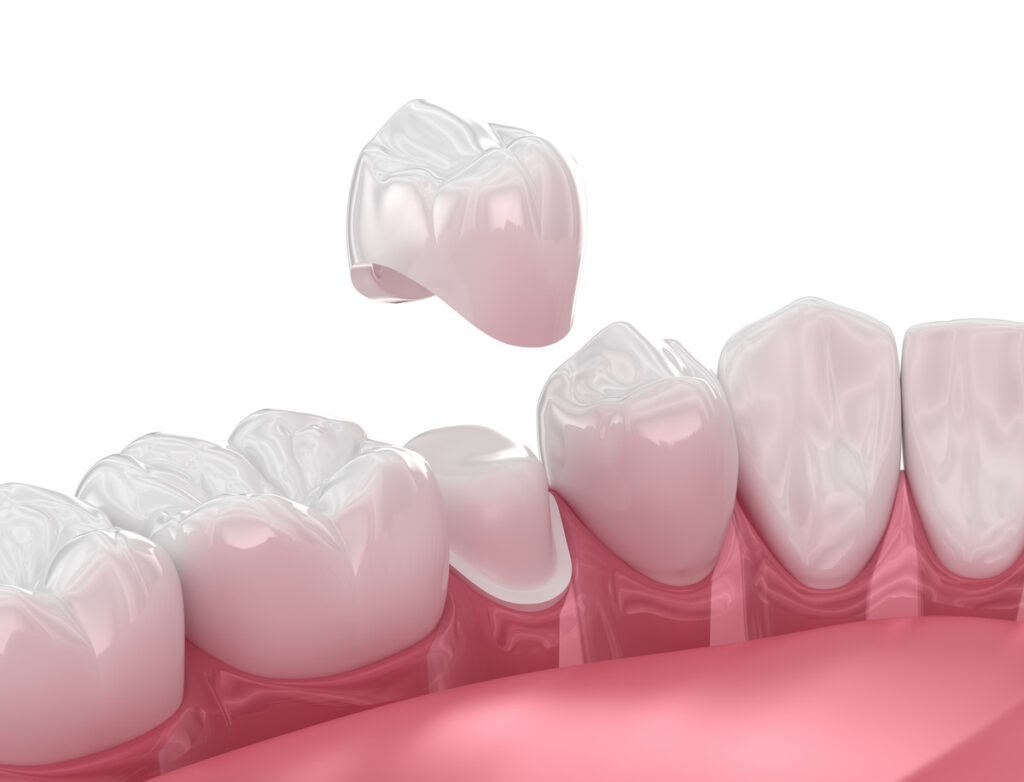
The main difference between same-day crowns and traditional multi-visit crowns is how the crown is made. A same-day crown is designed from a digital scan and milled in the office, so you can often leave with your permanent crown in one appointment. A traditional crown is made by a dental lab from an impression or scan, which usually means a temporary crown and a second visit a couple of weeks later. Both can restore a damaged tooth well, and the right choice depends on the tooth, the material it needs, and your schedule.
At Floss & Co., we offer same-day crowns and bridges using CEREC digital scanning and chairside milling, and we also have an in-house dental lab for restorations that need more time or a different material. That combination lets us recommend the approach that fits your tooth rather than the one that fits our equipment. Whatever route you take, your dental crown is custom designed to protect and strengthen the tooth.
How Do Same-Day Crowns Work?
Same-day crowns rely on computer-aided design and manufacturing, often called CAD/CAM. The process begins with a digital scan rather than traditional putty impressions, so there is no tray of impression material in your mouth. We capture precise 3D images of your tooth and the teeth around it, and our software uses that model to design your custom crown. You can read more about the scanning step in our post on how digital scanning replaces goopy impressions.
Once the design is complete, our in-office milling unit shapes your crown from a solid block of ceramic. The crown is then finished, checked for fit and bite, and bonded in place. For many single crowns, the whole visit takes a few hours, and you walk out with your permanent restoration the same day. Ceramic blocks come in a range of shades, and we select and finish the crown to blend with your neighboring teeth.
How Traditional Multi-Visit Crowns Work
Traditional crowns follow a time-tested approach that spans at least two appointments. During the first visit, the tooth is prepared and an impression or scan is taken. The case then goes to a dental lab, where technicians build the crown over several days to a few weeks, sometimes layering porcelain by hand for detailed color effects.
A temporary crown protects the prepared tooth while you wait. When the permanent crown is ready, you return for a second appointment, where the temporary is removed and the final crown is cemented. This method has served patients well for decades and continues to produce excellent results. It is still the preferred route for some materials and more complex cases.
Same-Day vs. Traditional Crowns at a Glance
The comparison below summarizes the practical differences most patients weigh when choosing between the two approaches.
| Factor | Same-Day Crown | Traditional Crown |
|---|---|---|
| Appointments | Usually one | Usually two or more |
| Temporary crown | Not needed | Worn for days to a few weeks |
| Impressions | Digital scan | Putty impression or digital scan |
| Material options | Millable ceramics and similar blocks | Wider range, including layered porcelain and metal-based options |
| Best suited for | Most single crowns with healthy margins | Complex cases, heavy grinders, and some multi-unit work |
These are general patterns, not fixed rules. We look at your specific tooth before recommending either option.
Comparing the Benefits of Same-Day and Traditional Crowns
The most obvious advantage of same-day crowns is convenience. You avoid scheduling a second appointment, taking additional time off work, or living with a temporary crown. Skipping the temporary also removes the risk of the common temporary crown problems, such as sensitivity or the temporary coming loose between visits.
Traditional crowns offer their own advantages. Lab technicians have more time to layer and characterize porcelain, and the wider range of materials can be helpful for patients who grind heavily or need extra strength on back teeth. Both approaches use durable materials and precise techniques, and either can serve you well for years when the crown is designed carefully and cared for properly. The choice often comes down to case requirements, material needs, and scheduling.
When a Traditional Crown May Be the Better Choice
Same-day crowns work well for many patients, but they are not the best fit for every tooth. A tooth that is broken far below the gumline can be difficult to scan accurately, and a patient with a strong grinding habit may benefit from a stronger material than a chairside block allows. Some multi-unit bridges and highly detailed front-tooth cases also benefit from extra lab time. In those situations, our in-house lab lets us take the time a case needs while keeping communication between our dentists and technicians close.
If a crown is being considered mainly for appearance, a veneer may be a more conservative option. Our post on veneers vs. dental crowns explains how the two compare. When a tooth is badly decayed or infected, root canal treatment may be needed first, and a crown then protects the treated tooth.
How to Choose Between Same-Day and Multi-Visit Crowns
Tooth decay is extremely common, with nearly 90% of U.S. adults ages 20 to 64 having had a cavity, and crowns are one of the most frequent ways to restore teeth weakened by decay, fractures, or large fillings. Every patient is different, so when choosing between same-day and multi-visit crowns, it helps to consider the following factors:
- Your schedule and how easy it is to return for a second appointment
- Your comfort level with wearing a temporary crown
- The location of the tooth and how much healthy structure remains
- Whether you clench or grind, which can affect material choice
- Your timeline for completing treatment
By discussing these factors with our team, you can make an informed decision that fits both your tooth and your lifestyle.
Cost and Insurance Considerations for Dental Crowns
Many dental insurance plans treat a crown as a crown, whether it is milled in the office or made by a lab, but benefits vary widely by plan. The cost difference between the two approaches depends on the material and the complexity of the case, and we provide an estimate before treatment. You can review details on our insurance information page.
Some patients find that a same-day crown reduces indirect costs by eliminating a second appointment, extra travel, and more time away from work. If you would like to spread out your out-of-pocket cost, we offer financing through CareCredit.
Get High-Quality Crown Treatment at Floss & Co.
Dr. Martha Silva earned her Doctor of Dental Surgery from the University of Illinois College of Dentistry and holds Fellowship with the Academy of General Dentistry, and she works alongside Dr. Izzy Naem and our in-house lab team on restorative cases. With CEREC same-day technology and an on-site lab under one roof, we can match the crown process to the tooth instead of forcing every case into the same timeline. Our comprehensive approach to restorative dentistry means we look beyond the immediate crown to your long-term oral health.
If you have a cracked, worn, or heavily filled tooth, a consultation is the best way to find out which option makes sense for you. Fill out our contact form to schedule your crown consultation.
Frequently Asked Questions About Same-Day and Traditional Crowns
Are same-day crowns as strong as traditional crowns?
For most single crowns, a well-designed chairside ceramic crown can be a strong, long-lasting choice. Traditional lab crowns offer a wider range of materials, which can matter for heavy grinders or teeth that take a lot of chewing force. We recommend the material based on the tooth and your bite.
How long does a same-day crown appointment take?
For a single tooth, the visit often takes a few hours, including preparation, scanning, design, milling, and final bonding. Many patients relax in the office or step out briefly while the crown is milled. Timing can vary with the complexity of the tooth.
How long do dental crowns last?
Crowns often last many years with good care, and some last much longer. Lifespan depends on the material, the tooth location, grinding habits, and how well you brush, floss, and keep up with checkups. A night guard can help protect crowns if you grind.
Can every tooth get a same-day crown?
Not always. Teeth broken well below the gumline, some bridges, and cases that need a specific material may be better served by a traditional crown. We evaluate the tooth first and explain which option fits.
Does getting a crown hurt?
The tooth is numbed before preparation, so most patients feel pressure rather than pain. Some mild tenderness in the gum or tooth for a few days afterward is common and usually eases with over-the-counter pain relievers.
About the Author
General Dentist, Floss & Co.
Dr. Martha Silva earned her Doctor of Dental Surgery degree from the University of Illinois College of Dentistry and served as a dentist in the U.S. Army. She holds Fellowship with the Academy of General Dentistry and is an Invisalign Certified Provider.