
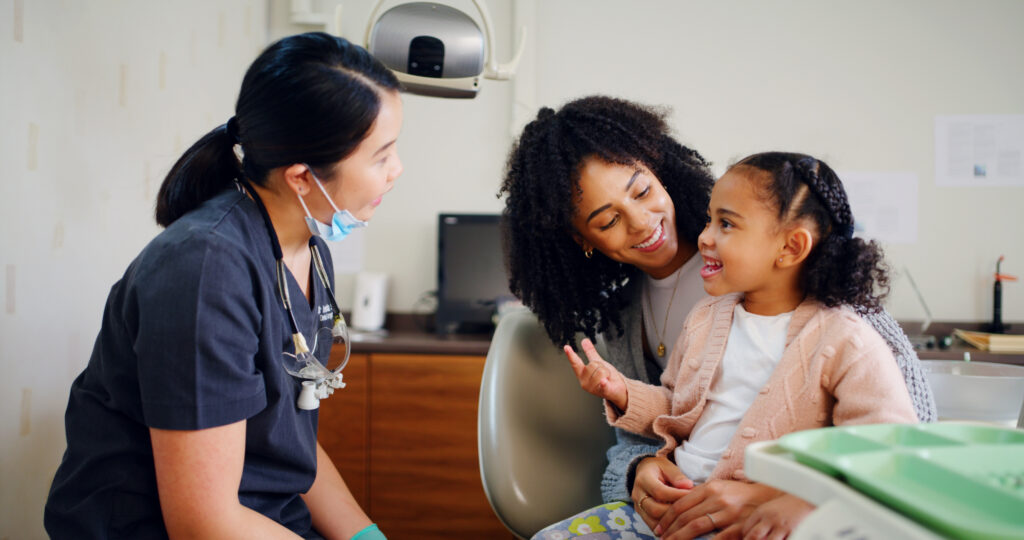
Most people walk into a dental checkup expecting the usual: a cleaning, a quick look for cavities, maybe some X-rays if it has been a while. What a lot of patients do not expect is for their dentist to ask about snoring, mouth breathing, or how their child sleeps at night. It can feel like an odd detour from a routine visit, but those questions are often where some of the most useful information in the whole appointment comes from.
At Floss & Co., an airway evaluation is not a separate specialty visit tacked onto your schedule. It is folded directly into the exam you are already there for, because the mouth tells us a lot more about breathing and sleep than most people realize, and catching a pattern early tends to be far simpler than untangling it years later.
Why a Dental Exam Is a Natural Place to Catch Airway Issues
A dentist spends more time looking closely at your mouth, jaw, and bite than almost anyone else in your life, which puts us in a good position to notice things that hint at a bigger picture. A narrow palate, crowded teeth, worn enamel from clenching, or a tongue that rests low in the mouth can all point toward restricted airflow, long before a patient connects any of it to how tired they feel during the day.
These signs do not usually show up on their own. They tend to cluster together, which is part of why a routine exam can surface a pattern that a single symptom alone would not. We are not diagnosing sleep apnea during a cleaning, but we are trained to notice the physical clues that make a deeper conversation worth having.
What We Actually Look for and Ask About During an Airway Evaluation
An airway check during a routine visit is mostly observation and a handful of simple questions, not an extra procedure. During your exam, we are paying attention to the following:
- Whether your tongue rests against the roof of your mouth or sits low and forward
- Signs of a narrow or high-arched palate that may be limiting space for the tongue and airway
- Reports of snoring, restless sleep, or daytime fatigue that could point to disrupted breathing at night
None of this requires anything beyond the conversation and exam you are already having with us. If something stands out, we talk through it together rather than treating it as an alarming surprise.
Why Airway Evaluations Matter More for Growing Kids
Airway concerns get particular attention when we evaluate children, because a developing jaw responds differently to intervention than an adult’s. A 2021 screening study published in Pediatric Dentistry introduced a functional airway evaluation tool specifically designed to flag sleep-disordered breathing risk factors in kids during the mixed dentition years, when baby teeth and adult teeth are both present, underscoring how much value a structured check at this age can add.
Both Dr. Catherine Murphy and Dr. Martha Silva build airway assessments into early orthodontic evaluations, because identifying a narrowing airway while a child’s palate is still developing opens up gentler, more gradual treatment options than waiting until growth has mostly finished.
Can Adults Have Airway Problems, Too?
We don’t reserve airway evaluation for younger patients. Adults bring their own version of the same signs, often shaped by years of compensating without realizing it, whether that looks like chronic jaw tension, disrupted sleep, or a mouth-breathing habit that formed so gradually it feels normal. We include this kind of observation in adult airway evaluations as part of a standard exam, not as a separate add-on visit.
Age does not change the value of catching this early. It just changes which options make the most sense once we understand what is going on.
Ask About Airway Health at Your Next Checkup With Floss & Co.
You don’t need to bring up snoring or sleep concerns in a special appointment. These are exactly the kinds of things worth mentioning at your next regular cleaning, whether you have noticed something in yourself or your child, and our team at Floss & Co. is always glad to talk through what we are seeing rather than leaving you to wonder afterward.
If airway health has been on your mind, or you are simply curious what your dentist might be able to tell from a routine look at your mouth, reach out to our team, and we will talk through what that conversation would look like at your next visit.