
Medically Reviewed by Dr. Izzy Naem, DDS on September 30, 2026
Getting a single dental implant usually takes several months from placement to final crown, and most of that time is healing. The implant post needs to fuse with your jawbone, a process the Cleveland Clinic says can take anywhere from three to nine months depending on how quickly your body heals. The surgical visit itself is short, and if you need a tooth extraction or bone graft first, your overall timeline may stretch longer. Each phase has a clear purpose, and the result may be a long-lasting replacement that looks, feels, and functions much like a natural tooth.
At Floss & Co., single tooth implants are planned and placed with the Midway and Chicago communities in mind. We take a patient-first approach, using digital planning and our own on-site lab to keep every step of the implant process as smooth and comfortable as possible. Our team gets to know each patient personally, because the more we understand your health and goals, the better we can tailor your treatment plan from day one.
The Implant Timeline, Step by Step
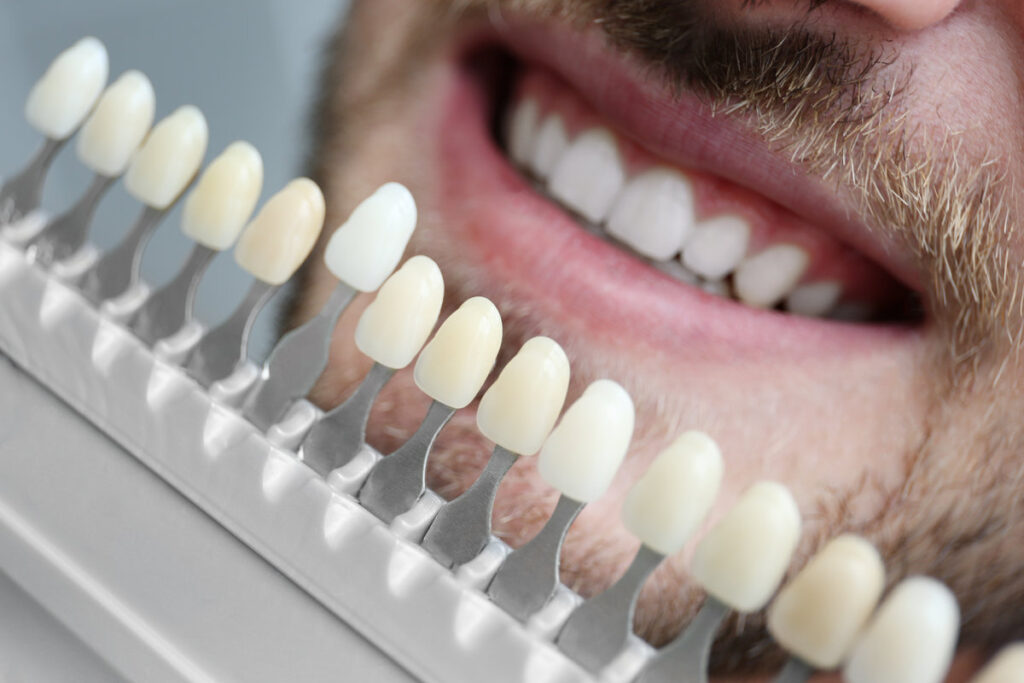
The implant process unfolds in distinct phases, and knowing what to expect at each one makes the overall timeline much easier to understand. The strip below gives a quick overview before we walk through each phase.
Phase 1: Consultation and Treatment Planning
Before any procedure begins, a thorough evaluation is done to assess your jawbone density, gum health, and the specific site where the implant will be placed. 3D imaging shows how much bone is available and where nerves and sinuses sit, and this step determines whether any prep work, such as a bone graft or tooth extraction, is needed first. For many patients, this phase wraps up in a single appointment, and you leave with a clear picture of your full treatment plan and estimated timeline.
Phase 2: Implant Placement
During this appointment, a small titanium post is placed into the jawbone where the missing tooth was. The procedure is done under local anesthesia, and for a single implant the surgical portion is often relatively brief. Many patients find the experience more comfortable than they expected, and mild soreness and swelling for a few days afterward is common. After placement, the healing period begins.
Phase 3: Osseointegration
This phase accounts for most of the implant timeline. Osseointegration is the process by which the jawbone gradually grows around and bonds to the titanium post, creating a stable foundation. According to the Cleveland Clinic, this process can take anywhere from three to nine months, depending on how quickly the body heals. Once it is complete, the implant is firmly anchored and ready to support a crown.
Phase 4: Abutment and Crown Placement
After osseointegration is confirmed, an abutment is attached to the implant post to connect it to the final crown. The crown itself is custom-made to match the shape and shade of your surrounding teeth. Thanks to our in-house dental lab, the crown fabrication process is handled right here, which may help keep things efficient and consistent from start to finish. For a closer look at how that shortens the restoration stage, see our post on how an in-house lab speeds up the implant process.
What Can Affect Your Timeline
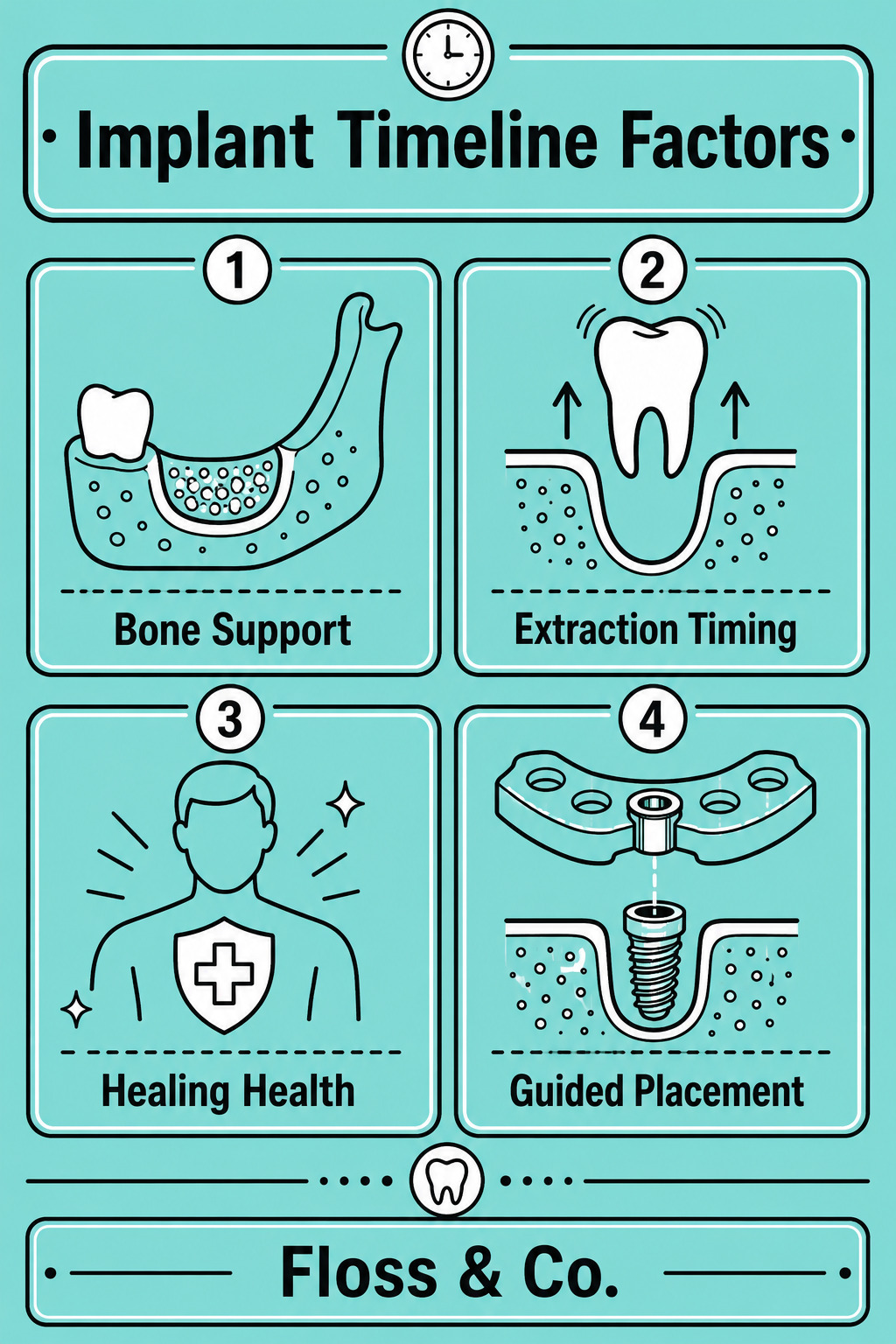
Not every implant case follows the same schedule. Several factors may shorten or extend the overall process:
- Bone volume: Patients with lower bone density may require a graft before implant placement, which adds its own healing period.
- Extraction timing: If a tooth needs to be removed first, the socket may need to heal before the implant is placed.
- Overall health: Conditions such as uncontrolled diabetes, certain medications, and smoking can slow how quickly osseointegration progresses.
- Gum health: Active gum disease needs to be treated before an implant is placed, which can add time up front.
- Guided surgery: Using guided implant surgery allows for more precise placement, which may support more predictable healing outcomes.
A personalized treatment plan is always the starting point, because no two timelines are identical. Restorative dentistry also does not have to wait until something is causing you pain. Many patients pursue implants proactively, because a gap left open can lead to bone loss and shifting teeth, as we explain in our post on what happens if you don’t replace a missing tooth.
Can You Get an Implant and a Tooth the Same Day?
In some cases, an implant can be placed on the same day a tooth is removed, which is often called an immediate implant. This can shorten the overall process by combining the extraction and placement visits. It depends on having enough healthy bone to hold the implant firmly at the time of placement and on the absence of active infection at the site.
When an immediate implant is possible, a temporary tooth may sometimes be attached right away so you are not left with a visible gap, particularly for front teeth. Even then, the bone still needs its full healing period before the permanent crown goes on. Our team will tell you honestly whether an immediate approach is a safe option for your situation, or whether a staged approach is more likely to give you a stable, long-term result.
What Recovery Looks Like Between Visits
Most patients return to normal daily activities within a day or two after implant placement. For the first several days, it helps to stick with softer foods, avoid chewing directly on the implant site, and keep the area clean with gentle rinsing as directed. Swelling and tenderness usually peak early and then fade.
During the longer healing phase, you may wear a temporary tooth or a removable replacement, depending on the location of the implant. You will have periodic check-ins so we can confirm the implant is integrating as expected. Keeping up with brushing, flossing, and your regular cleanings during this time supports healthy gums around the implant and protects your investment.
Why Precision Matters in Implant Placement
One of the most important factors in a smooth implant experience is how accurately the post is positioned from the start. Our dental implant approach incorporates digital technology and guided techniques to support precise placement based on your unique anatomy. Better placement can mean less disruption to surrounding tissue and a more comfortable recovery overall. If you are wondering whether this approach fits your case, our post on candidacy for guided dental implants is a helpful next read.
The technology used at each step is not just about speed. It is about giving the implant the best possible conditions to integrate and last over the long term.
How a Single Implant Compares to Replacing Several Teeth
The timeline above applies to replacing one tooth with one implant. When several teeth are missing, options such as implant-supported bridges or multiple individual implants can change the number of visits, the amount of bone preparation needed, and how long treatment takes. Our post on single vs. multiple dental implants explains how those options differ.
If you are missing one tooth today but have other teeth that may need attention soon, it is worth discussing your full picture at your consultation. Planning ahead can help coordinate treatment and reduce the total number of visits.
Schedule Your Dental Implant Consultation at Floss & Co.
Dr. Izzy Naem earned his dental doctorate from the University of Detroit Mercy Dental School and holds diplomate status with both the International Dental Implant Association and the American Dental Implant Association. He combines digital planning, guided placement, and our in-house lab so your implant process is designed around your anatomy, your timeline, and your comfort. Flexible financing through CareCredit is also available for those who need it.
If you have been putting off replacing a missing tooth, now is a great time to start the conversation. Contact our office to schedule your implant consultation and find out what your timeline may look like.
Frequently Asked Questions About Single Dental Implant Timelines
How many appointments does a single dental implant take?
Most single implants involve a consultation, the placement visit, one or more healing check-ins, and a visit to attach the abutment and crown. An extraction or bone graft can add appointments. We give you a realistic visit count after your exam and 3D imaging.
How long does the implant surgery itself take?
For a single implant in healthy bone, the placement procedure is often completed in about an hour or less. More time may be needed if an extraction or graft is done at the same visit. Most of the overall timeline is healing afterward, not time in the chair.
Will I have a gap while my implant heals?
Usually not for long. Depending on the location and stability of the implant, you may wear a temporary tooth or a removable replacement during healing. This is especially common for front teeth. We will discuss the options that fit your case before your placement visit.
How much time does a bone graft add?
It depends on the type and size of the graft. A small graft placed at the same time as the implant may add little extra time, while a larger graft done beforehand often needs several months to heal before the implant can be placed. Your 3D imaging helps us estimate this up front.
Is the single implant process painful?
The area is numbed during placement, so most patients feel pressure rather than pain. Afterward, mild soreness and swelling for a few days is common and is usually managed with over-the-counter pain relievers and cold compresses. Contact us if discomfort increases instead of improving.
About the Author
Dentist, Floss & Co.
Dr. Izzy Naem earned his dental doctorate from the University of Detroit Mercy Dental School and holds diplomate status with both the International Dental Implant Association and the American Dental Implant Association. He has completed extensive continuing education in dental implants and complex restorative care.